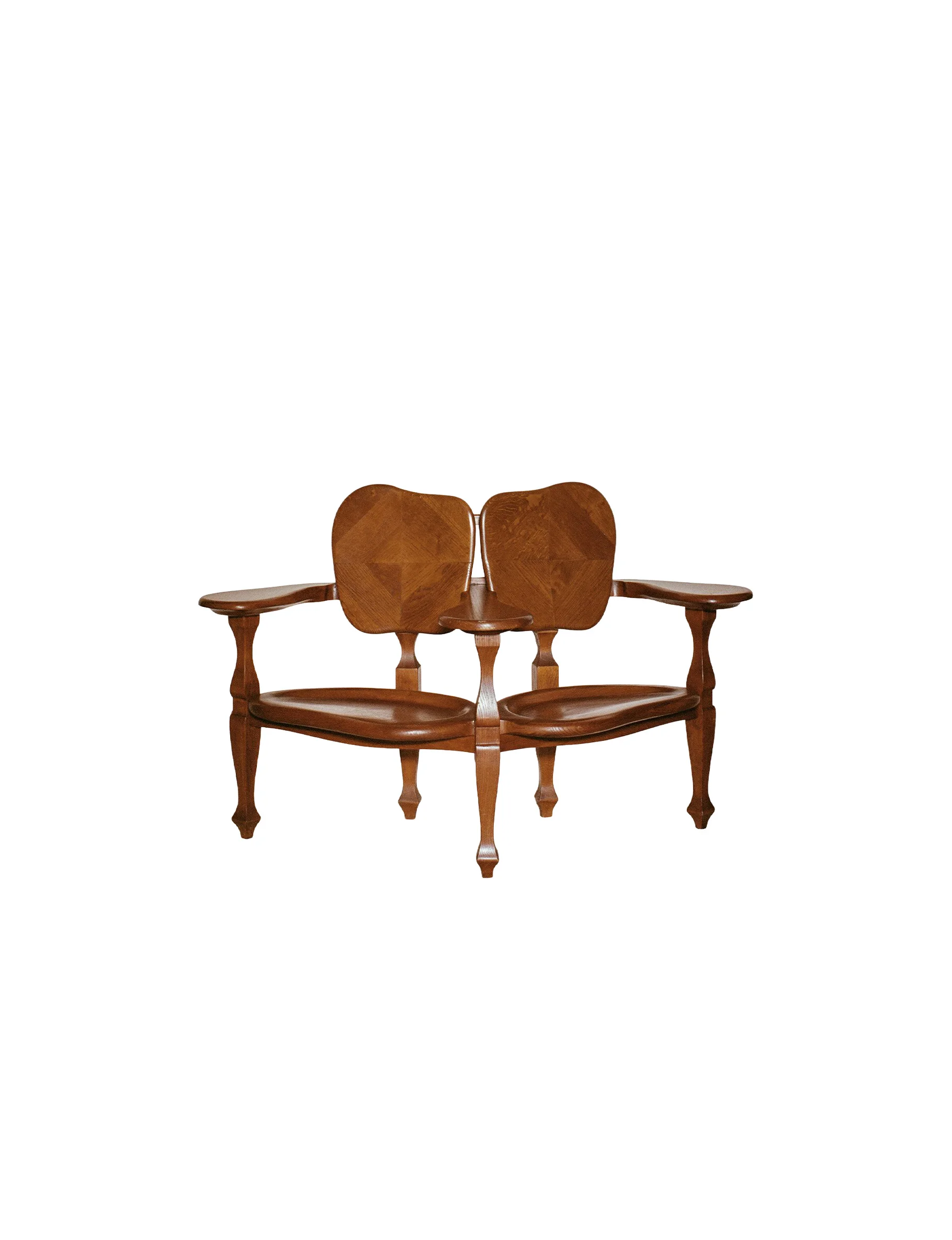
BATLLÓ BENCH BY ANTONI GAUDÍ 1906

BATLLÓ BENCH
BY ANTONI GAUDÍ 1906

NUMBERED EDITION
SIGNED, SERIAL NUMBER AND CERTIFICATE OF AUTHENTICITY
GAUDÍ COLLECTION

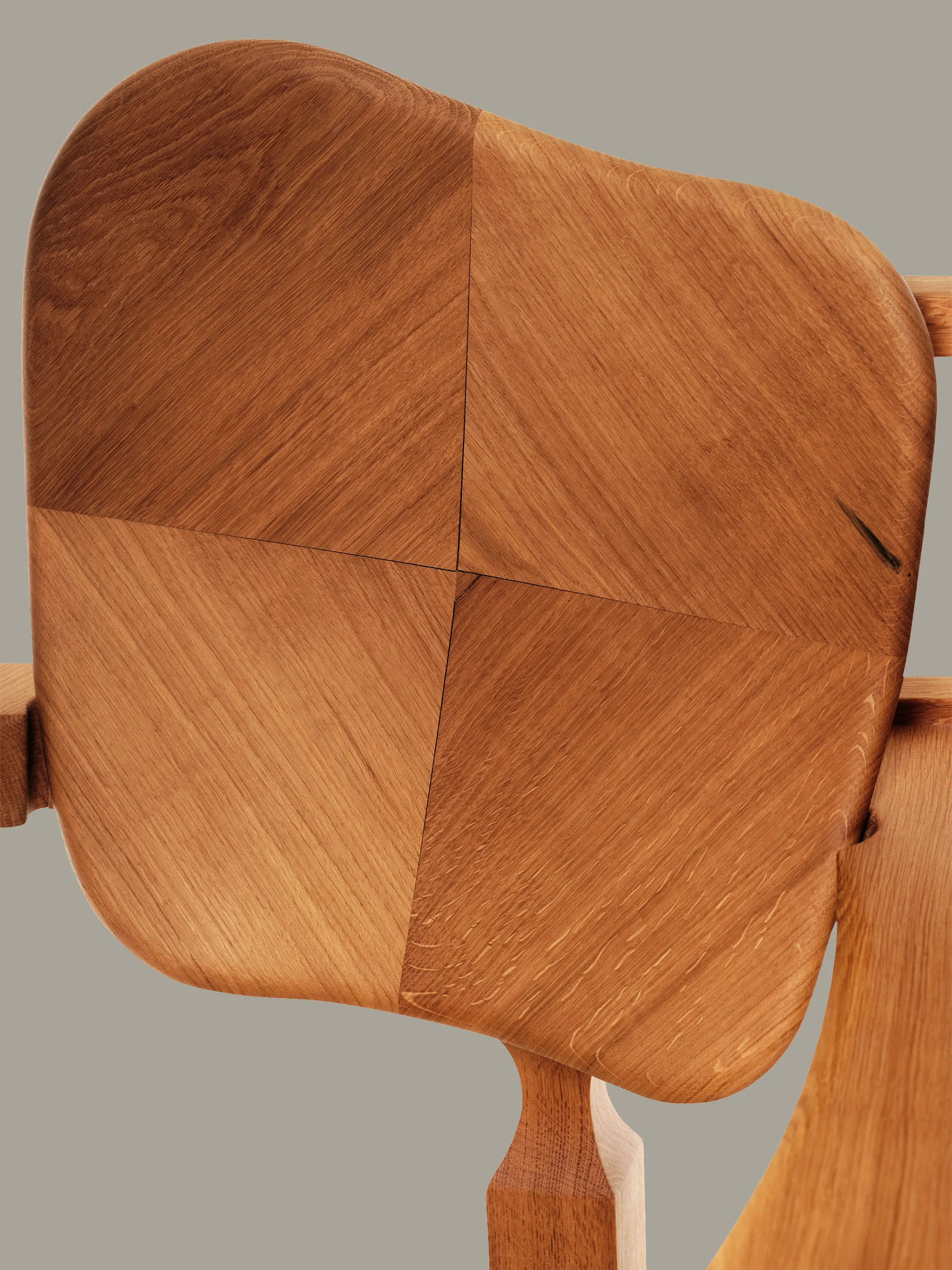
VARNISHED SOLID OAK

IN H 40.5 W 66.9 D 31.8 SH 17.7
CM H 103 W 170 D 81 SH 45

CUSTOM SIZE OR FINISH ON REQUEST

HANDCRAFTED IN SPAIN BY BD BARCELONA

BIOGRAPHY
DOWNLOAD PRODUCT INFO
SALES INQUIRY

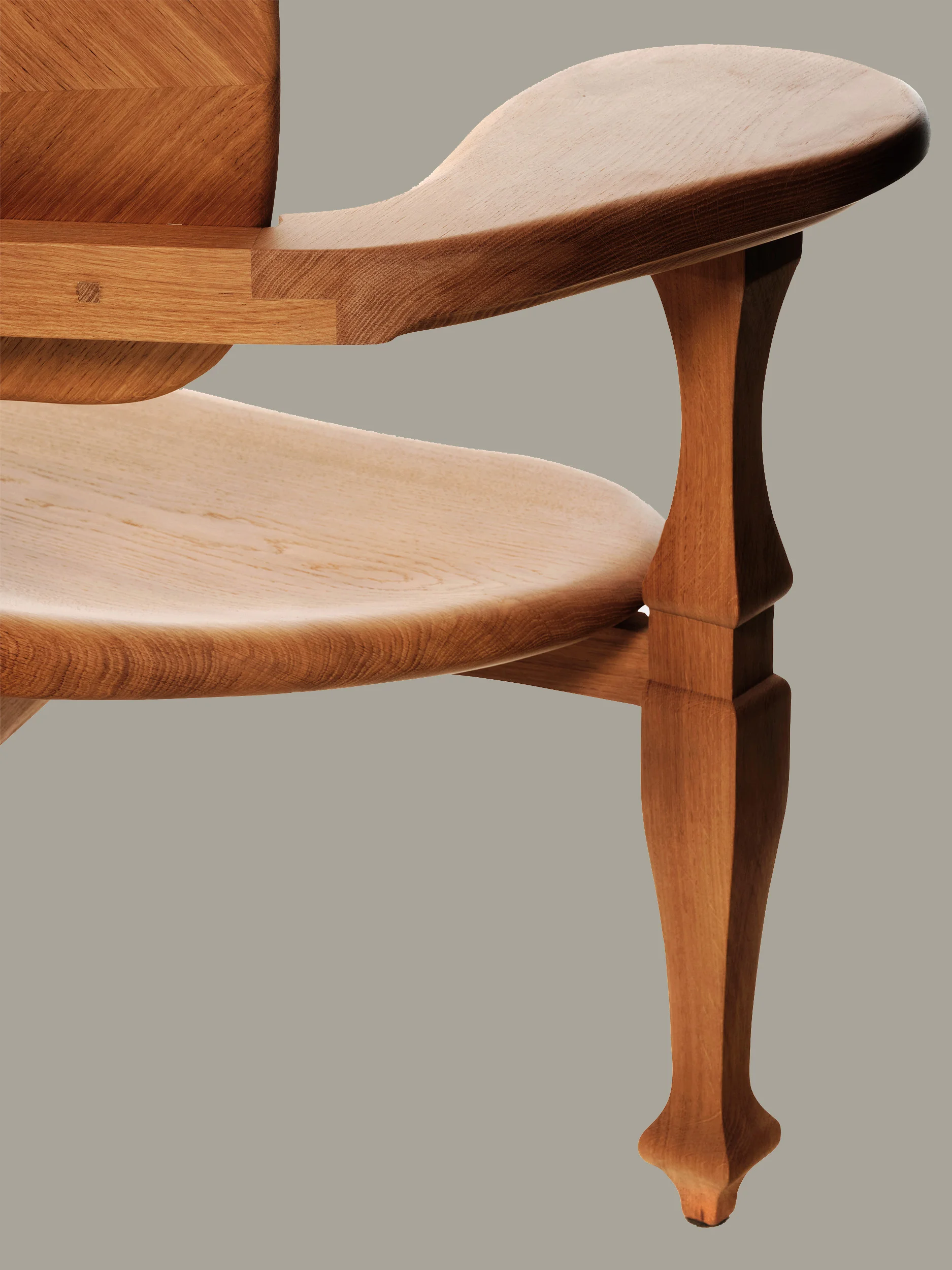
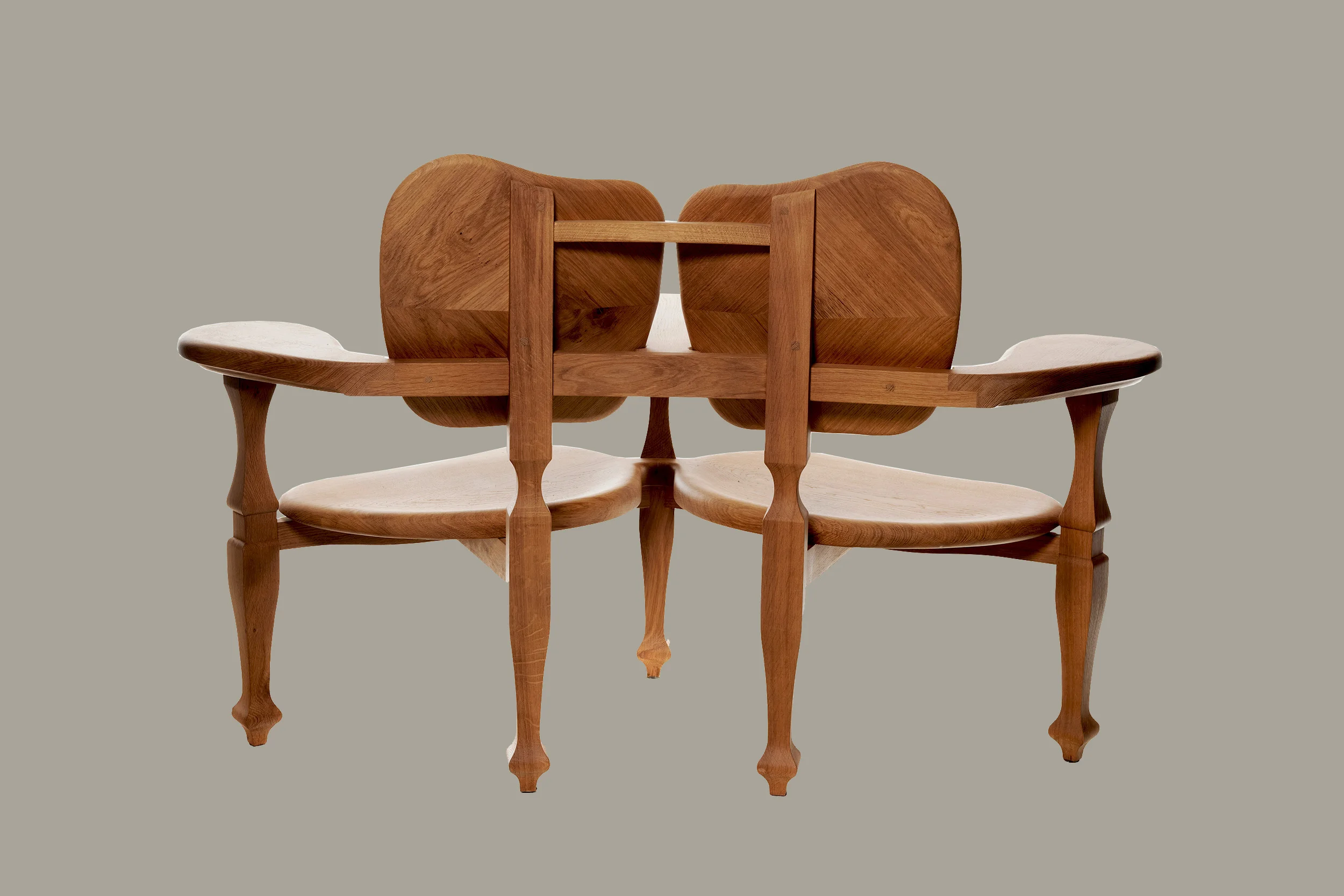
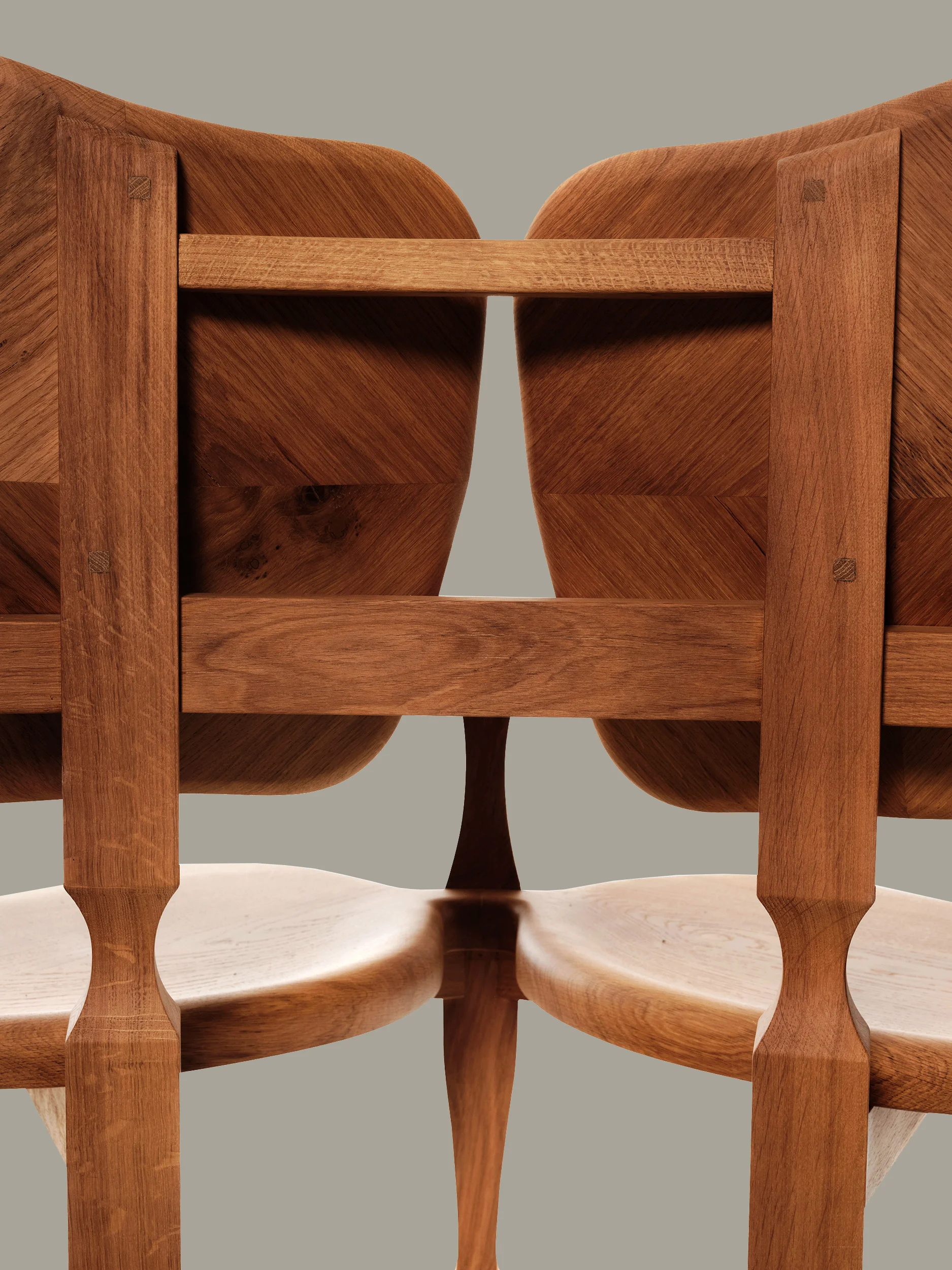
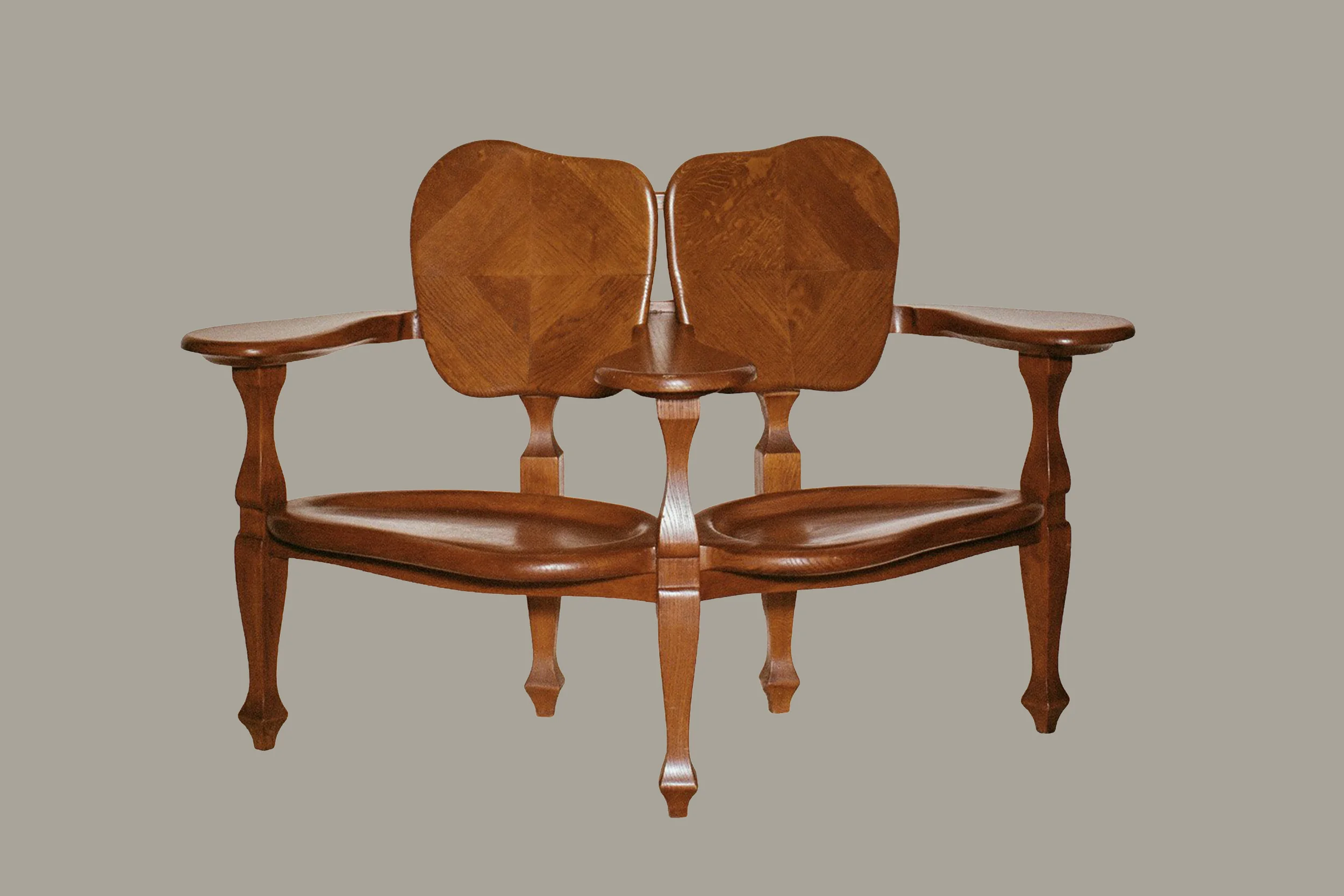
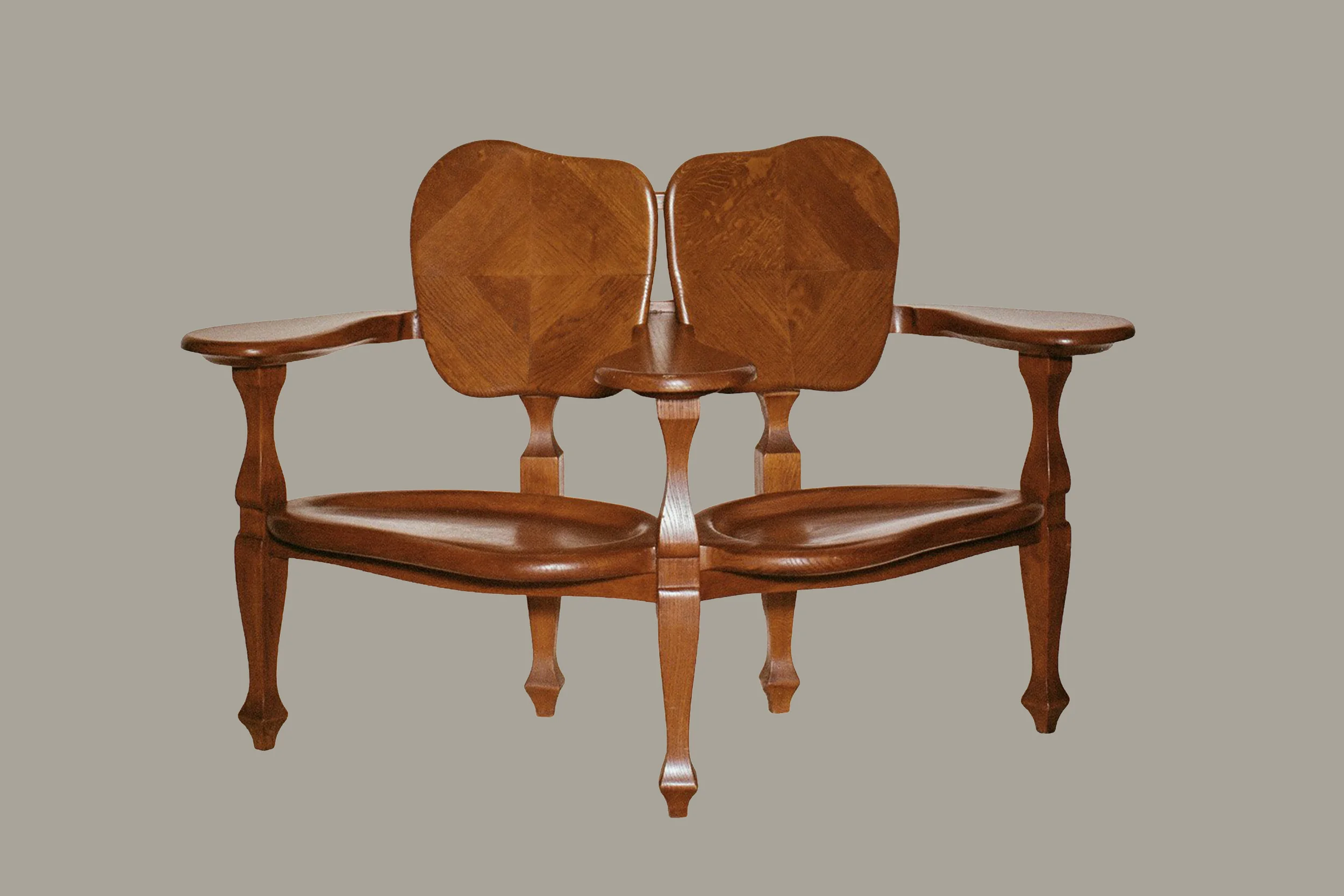
Defined by aesthetic clarity and exceptional craftsmanship, the Batlló Bench stands as a powerful expression of Gaudí’s modernity, one that remains as striking today as when it was conceived. Designed in 1906 for Casa Batlló, one of Gaudí’s most celebrated urban residences in Barcelona, the bench exemplifies his holistic approach to architecture and furniture as a unified languageThe bench is organized around a central armrest that subtly divides the composition, angling the two seats outward in opposing directions. This thoughtful asymmetry encourages both separation and dialogue, while reinforcing the dynamic, sculptural nature of the form. Executed in handcrafted oak, the convex structure integrates armrests, seat backs, legs, and seats into a single, fluid frame that appears carved rather than assembled

At once organic and architectural, the Batlló Bench reflects Gaudí’s mastery of proportion, ergonomics, and material expression. Each piece is an exact reproduction of the original design by Gaudí and is accompanied by a certificate signed by the Director of the Gaudí Cathedra, certifying its authenticity and fidelity to the historic original
VIEW ANTONI GAUDÍ WORKS

STUDIOTWENTYSEVEN

BIOGRAPHY

Antoni Gaudí

Born Catalonia, Spain, 1852

Antoni Gaudí was a Catalan artist and architect whose work achieved a rare synthesis of art, architecture, and design. A leading figure of Modernisme, or Catalan Art Nouveau, Gaudí developed a deeply personal language shaped by Catholic faith, close observation of nature, and an unorthodox, experimental approach that remains groundbreaking today. Internationally recognized as Spain’s most famous architect, he is celebrated for buildings such as the Sagrada Família, Casa Batlló, and Casa Calvet, where structure, ornament, and symbolism are inseparable

Beyond architecture, Gaudí pursued a holistic design practice, remaining closely involved with every decorative element of his projects, including furniture and objects, which he conceived as integral extensions of the architecture itself. His furniture is characterized by expressive, fluid forms that linger between the Baroque and the Surreal, combining ergonomic sensitivity with sculptural presence. Originally designed for interiors such as Casa Calvet (1898–1899) and Casa Batlló (1904), these works include seats, benches, a coat hanger, and a mirror, all articulating a strong dialogue between artisanal structure and the natural world

BD Barcelona Design was the first company to recognize the relevance of Gaudí’s furniture for contemporary designers and to rescue and revive these historic works. Working with exceptional fidelity, BD produces handcrafted reproductions using the same traditional techniques and materials, such as solid varnished oak, employed by Gaudí, capturing the richness of detail and tactile intelligence of the originals

Through BD Barcelona’s stewardship, Gaudí’s furniture continues to affirm his legacy not only as an architect, but as a visionary designer for whom space, object, and human experience formed a unified whole

STUDIOTWENTYSEVEN

Biography

Antoni Gaudí

Born Catalonia, Spain, 1852

Antoni Gaudí was a Catalan artist and architect whose work achieved a rare synthesis of art, architecture, and design. A leading figure of Modernisme, or Catalan Art Nouveau, Gaudí developed a deeply personal language shaped by Catholic faith, close observation of nature, and an unorthodox, experimental approach that remains groundbreaking today. Internationally recognized as Spain’s most famous architect, he is celebrated for buildings such as the Sagrada Família, Casa Batlló, and Casa Calvet, where structure, ornament, and symbolism are inseparable

Beyond architecture, Gaudí pursued a holistic design practice, remaining closely involved with every decorative element of his projects, including furniture and objects, which he conceived as integral extensions of the architecture itself. His furniture is characterized by expressive, fluid forms that linger between the Baroque and the Surreal, combining ergonomic sensitivity with sculptural presence. Originally designed for interiors such as Casa Calvet (1898–1899) and Casa Batlló (1904), these works include seats, benches, a coat hanger, and a mirror, all articulating a strong dialogue between artisanal structure and the natural world

BD Barcelona Design was the first company to recognize the relevance of Gaudí’s furniture for contemporary designers and to rescue and revive these historic works. Working with exceptional fidelity, BD produces handcrafted reproductions using the same traditional techniques and materials, such as solid varnished oak, employed by Gaudí, capturing the richness of detail and tactile intelligence of the originals

Through BD Barcelona’s stewardship, Gaudí’s furniture continues to affirm his legacy not only as an architect, but as a visionary designer for whom space, object, and human experience formed a unified whole

STUDIOTWENTYSEVEN