BY FRANCESCO BALZANO
EXCLUSIVELY FOR STUDIOTWENTYSEVEN
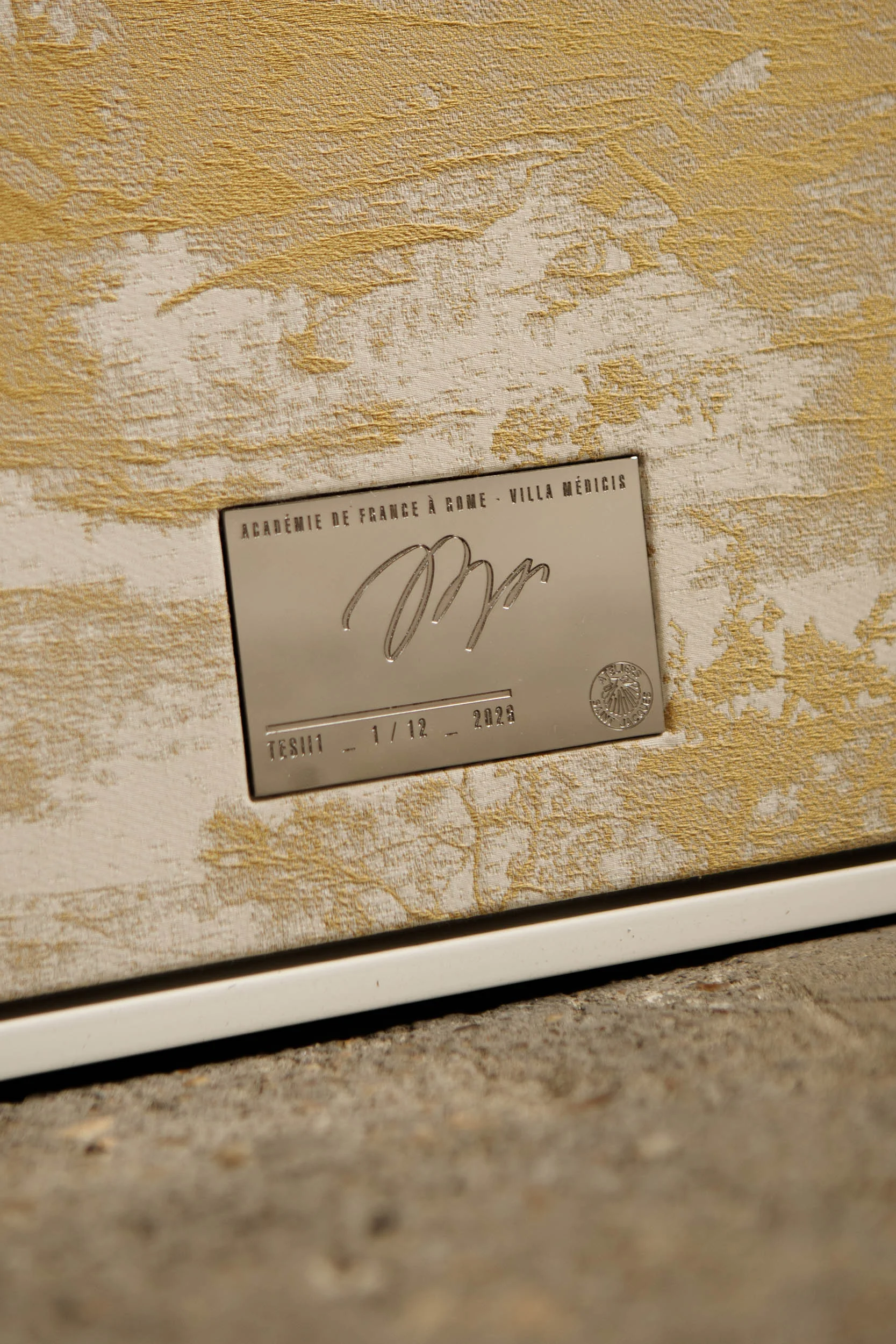
LIMITED EDITION 12+4 AP
SIGNED, SERIAL NUMBER AND CERTIFICATE OF AUTHENTICITY
TESSUTO II COLLECTION
YEAR 2025
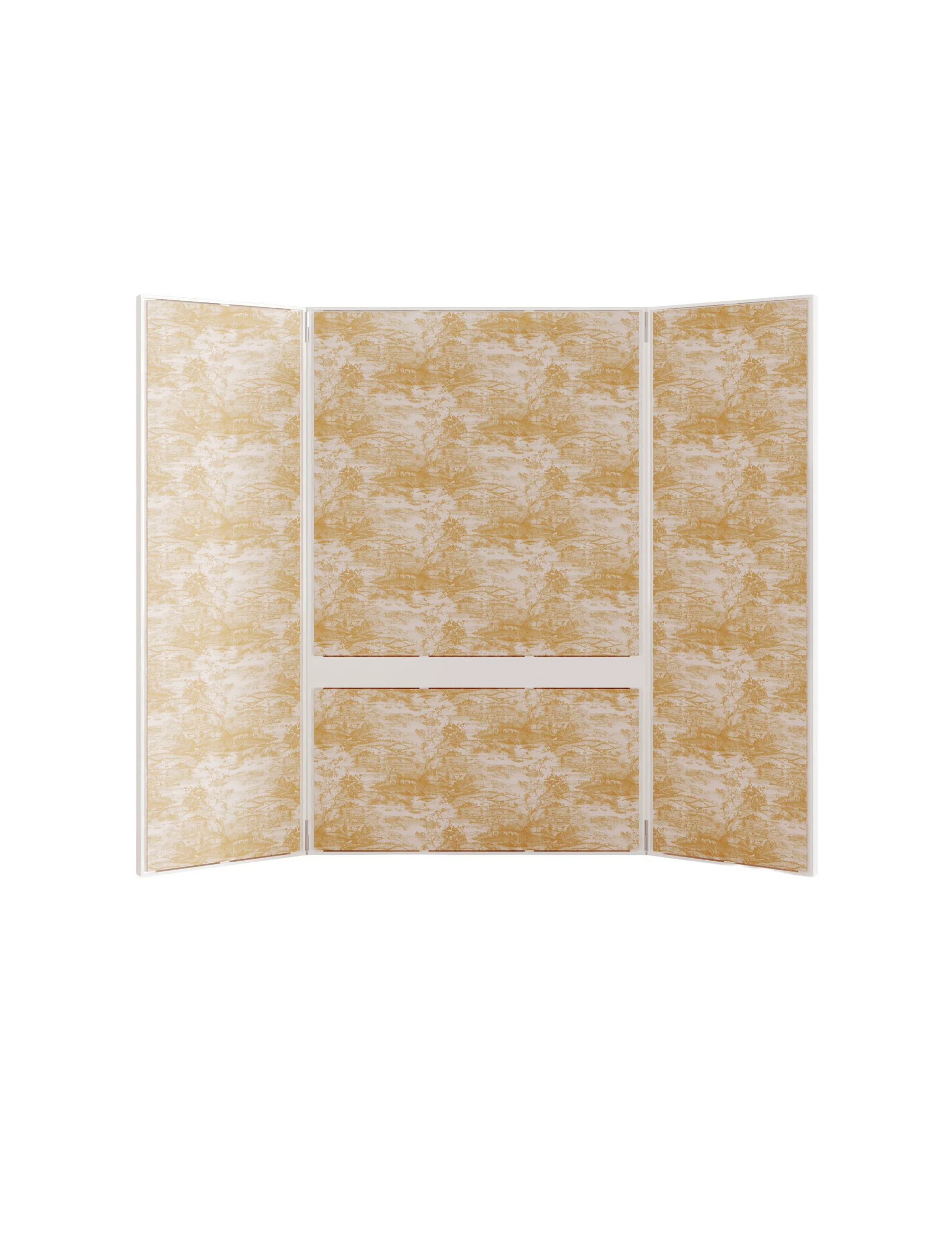
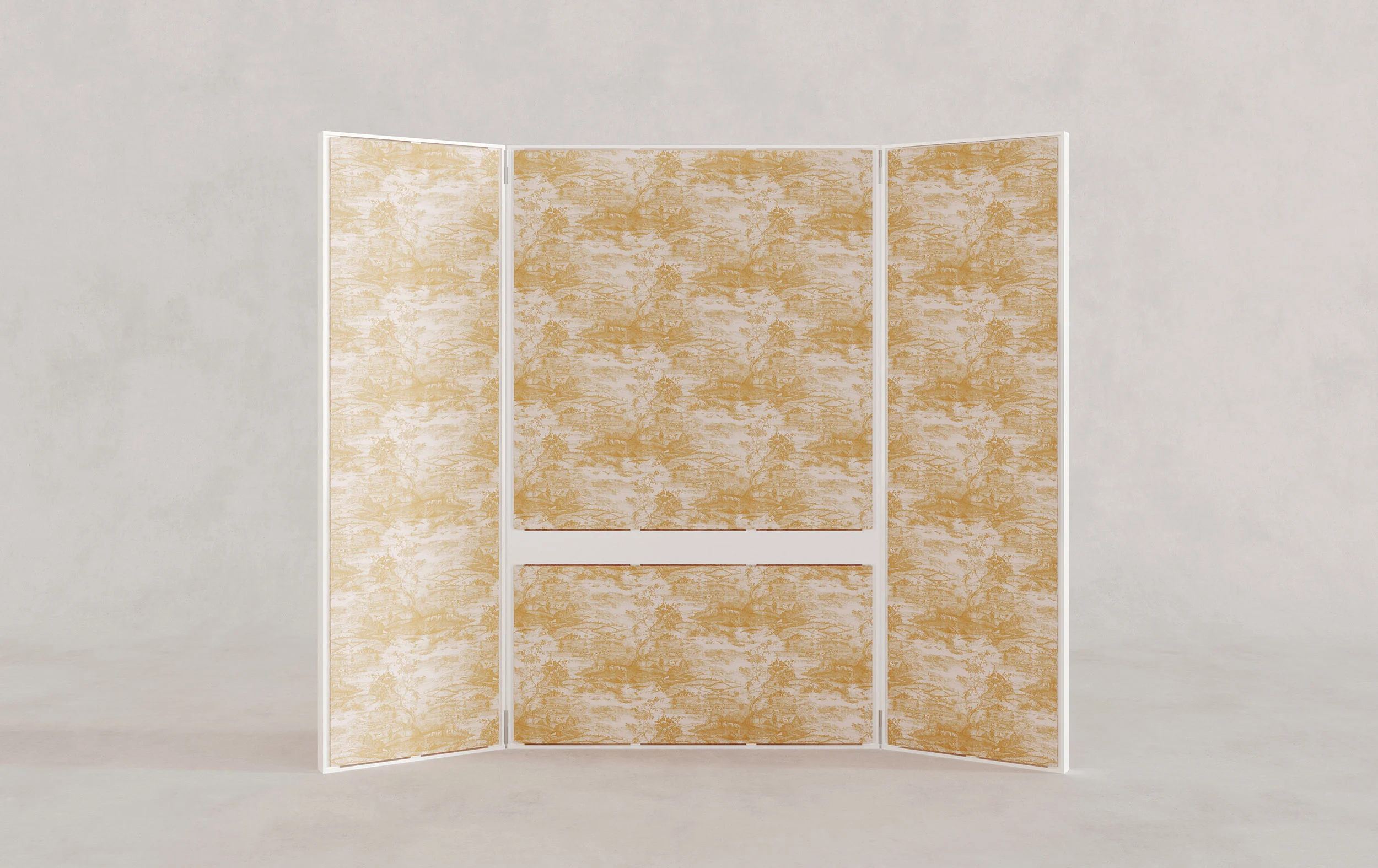
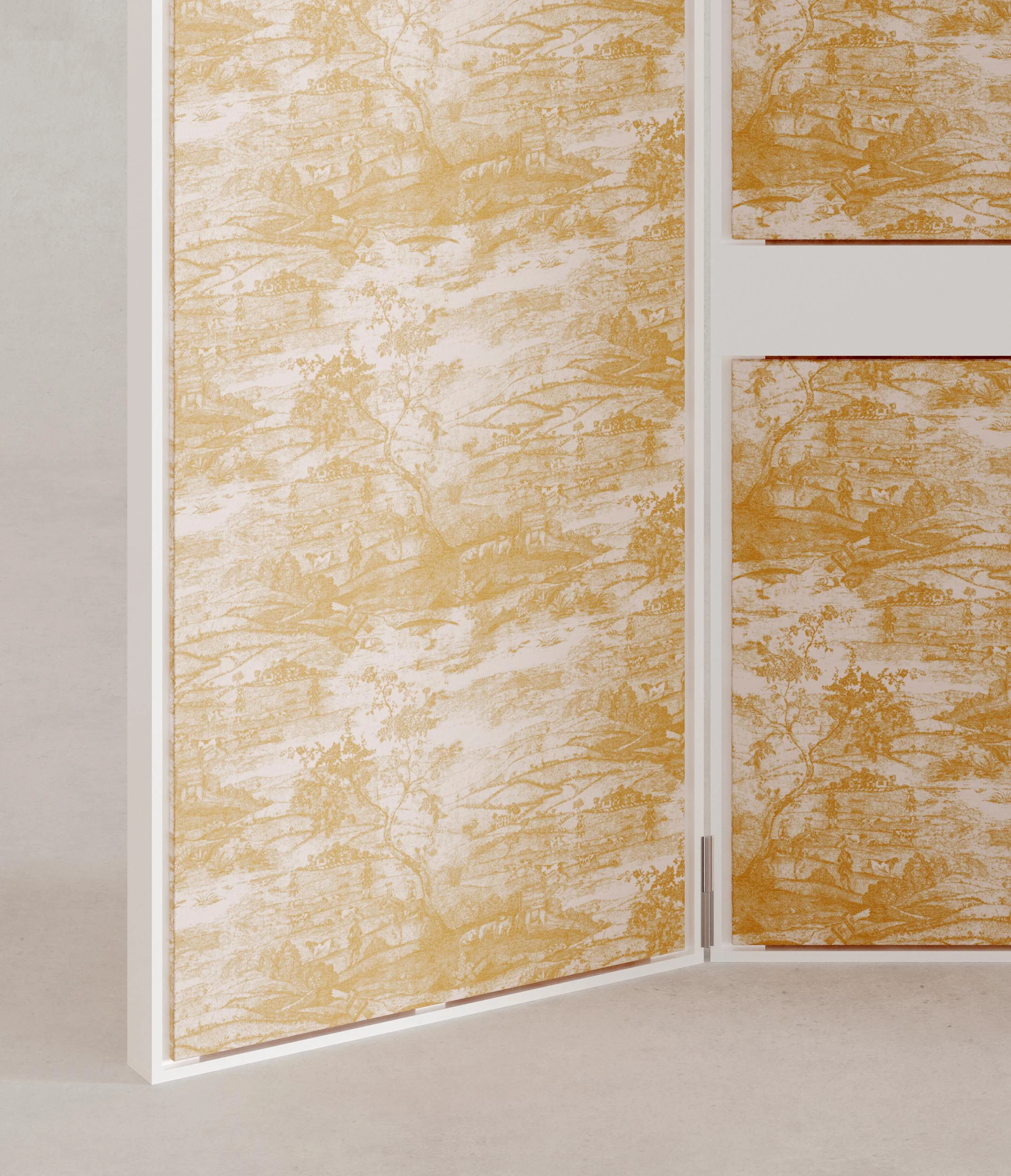
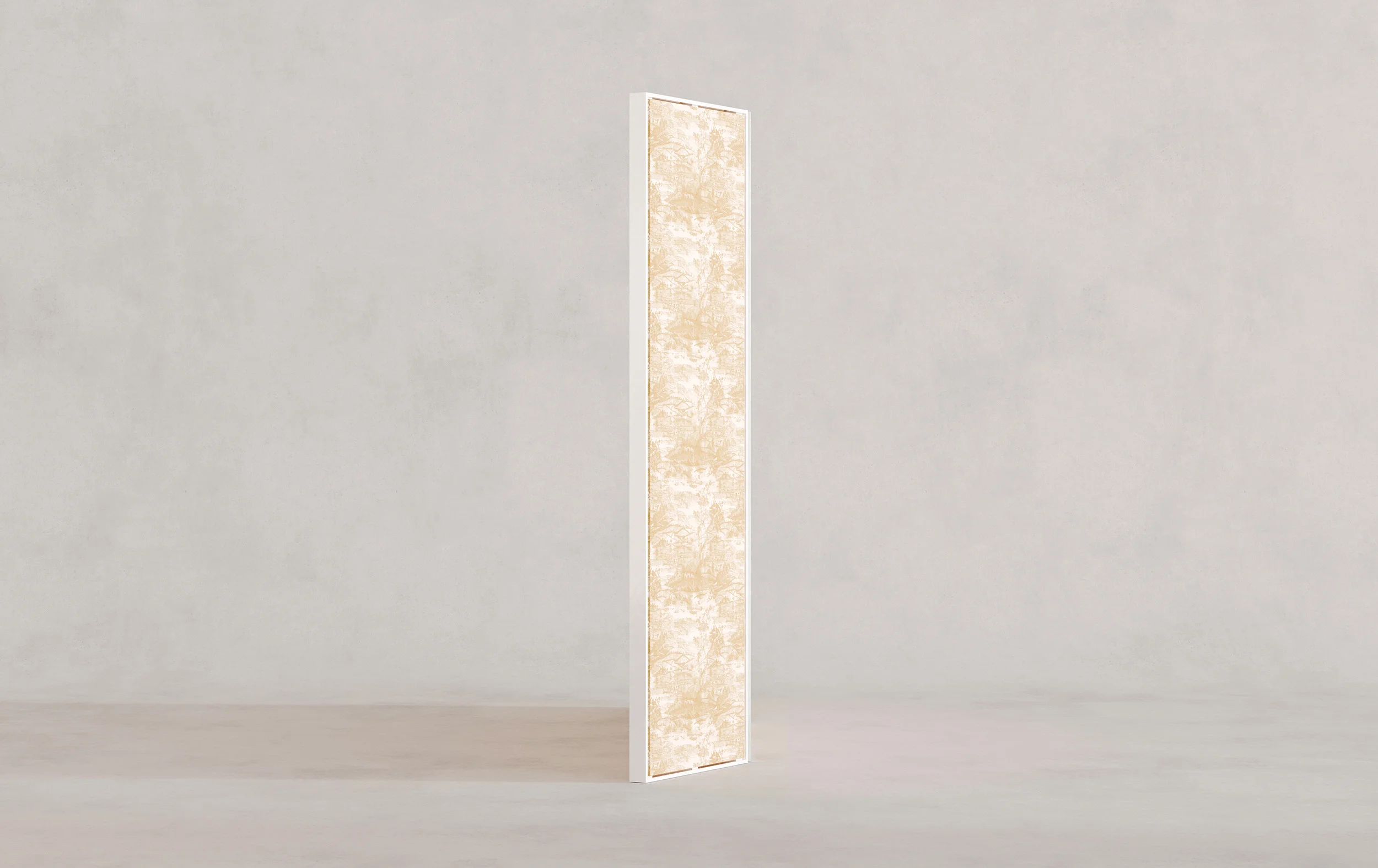
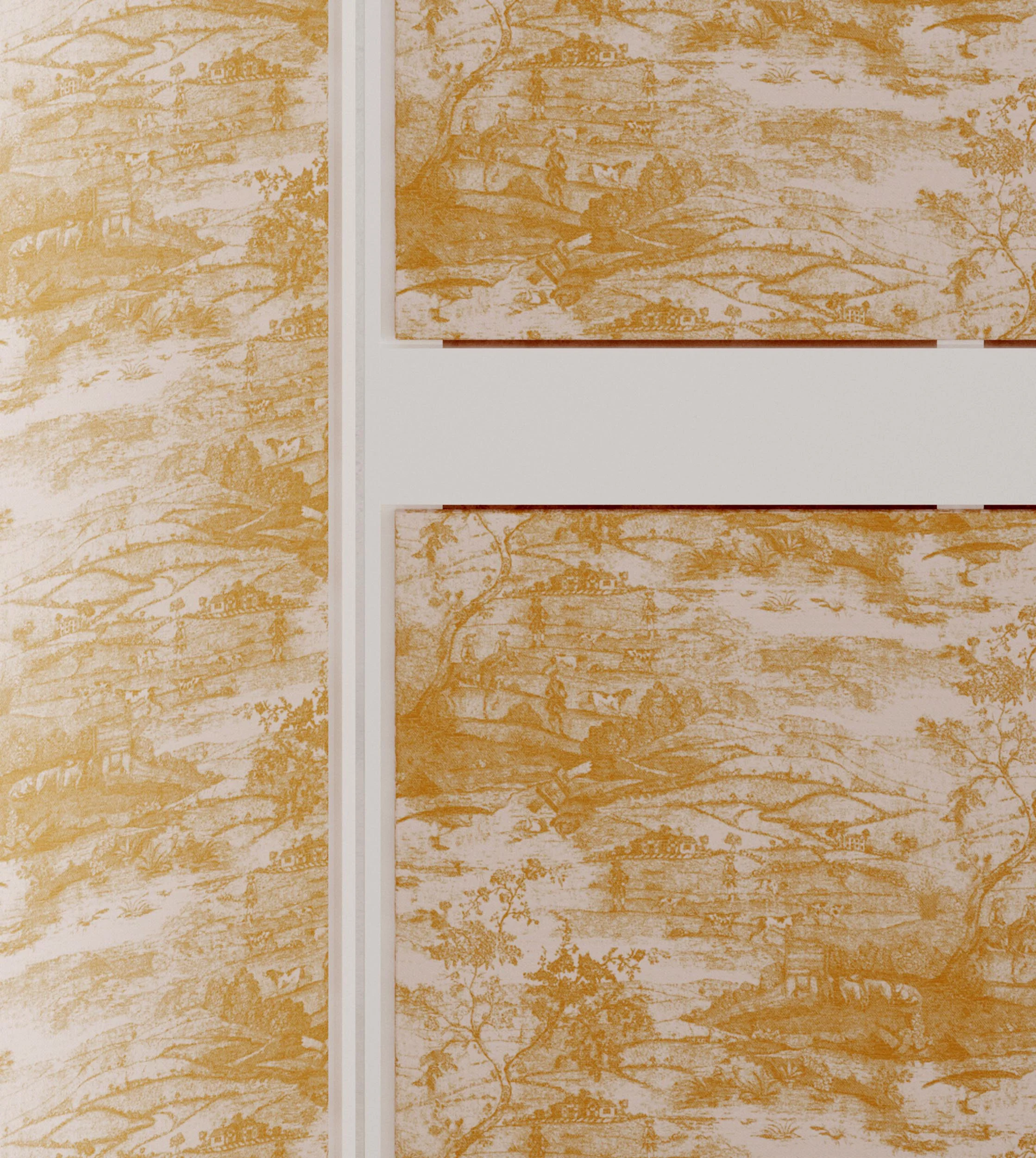
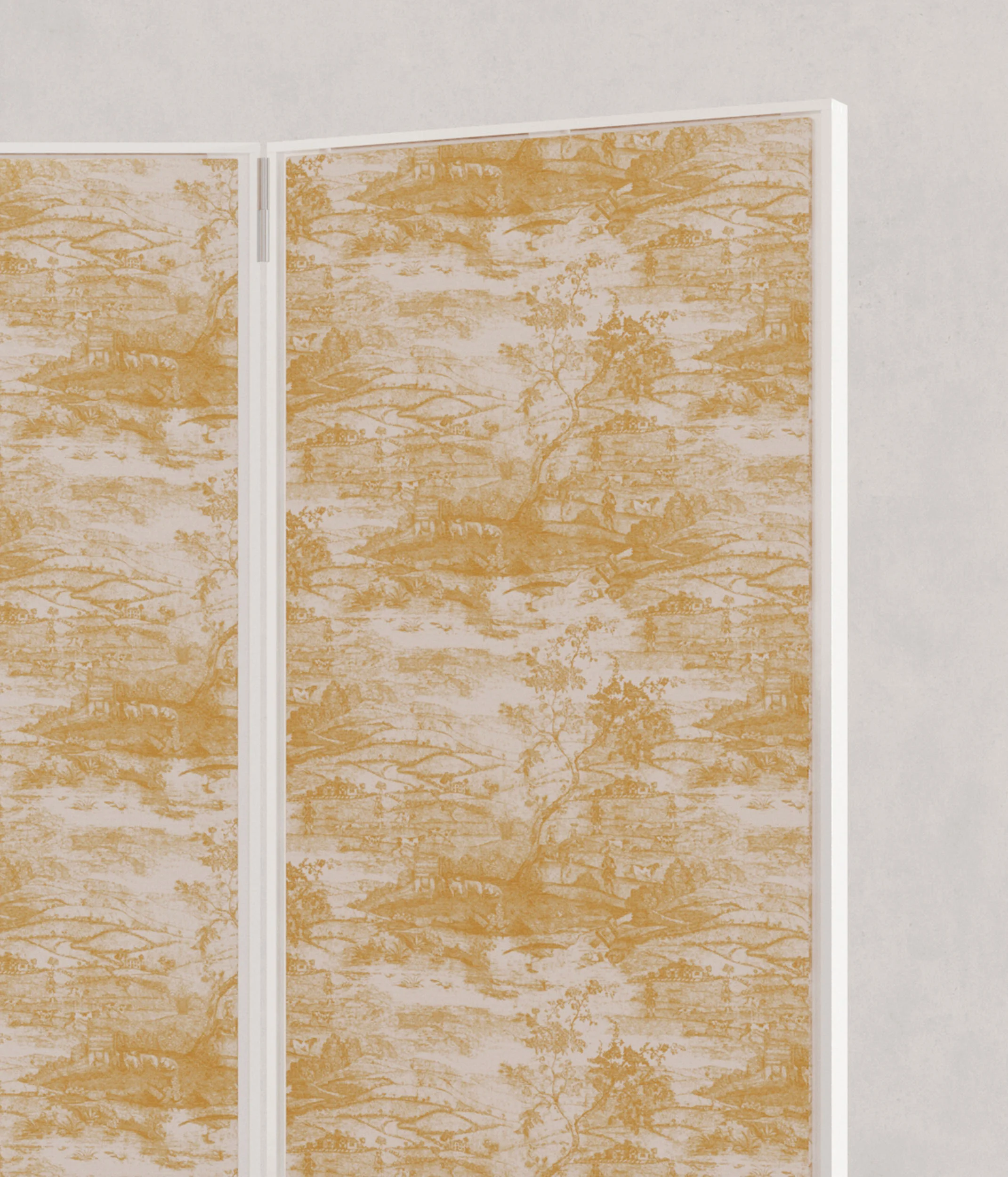
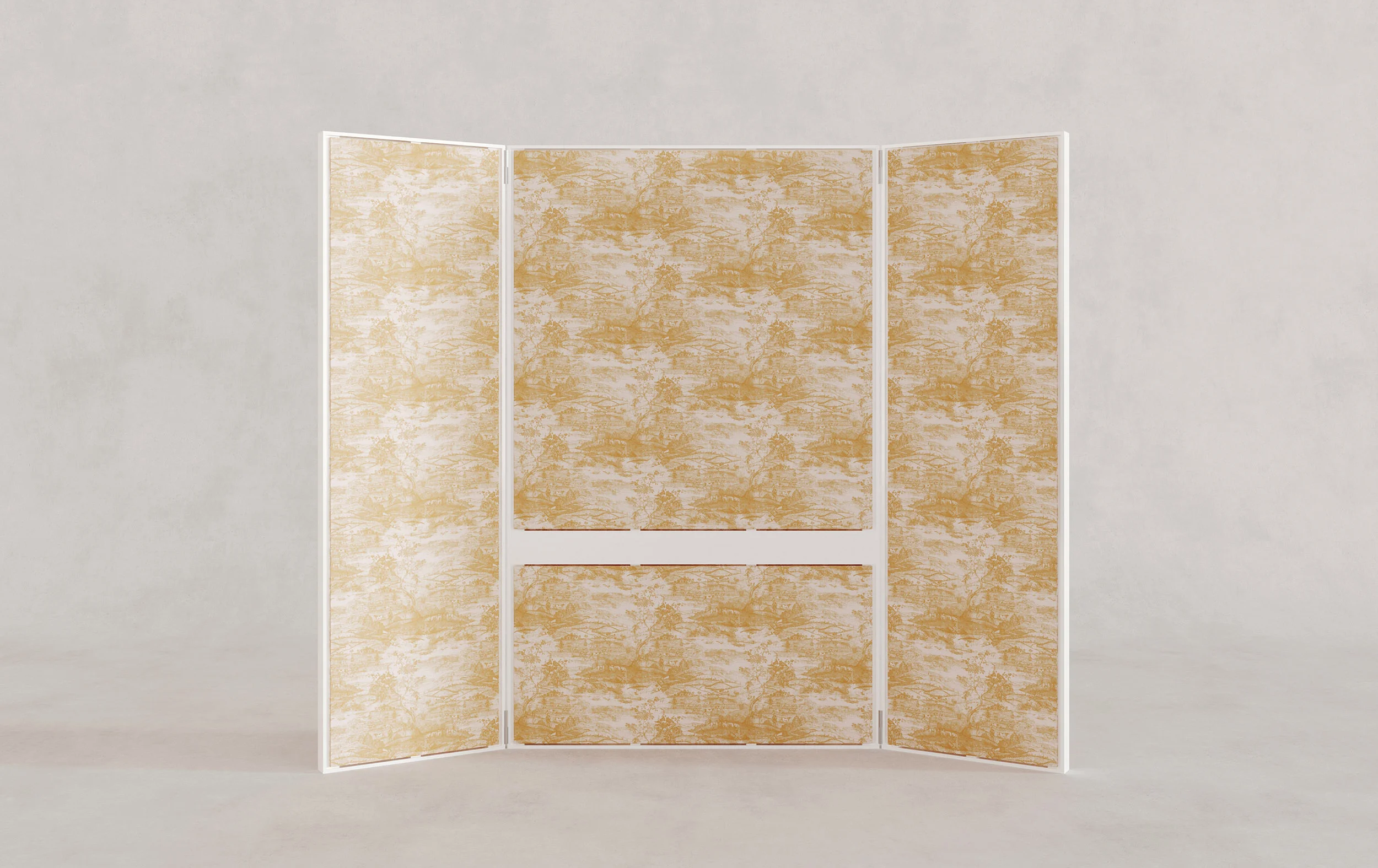
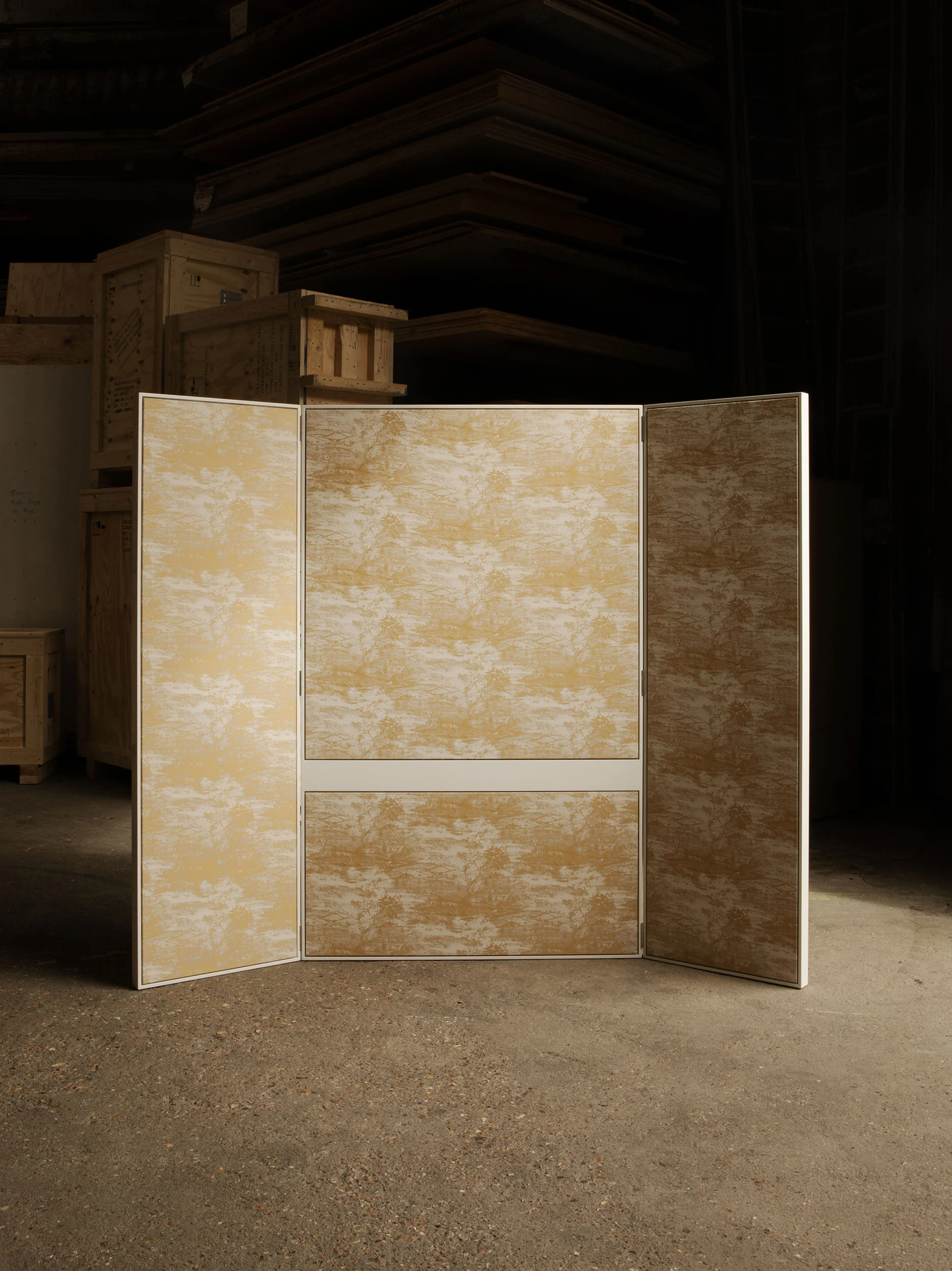
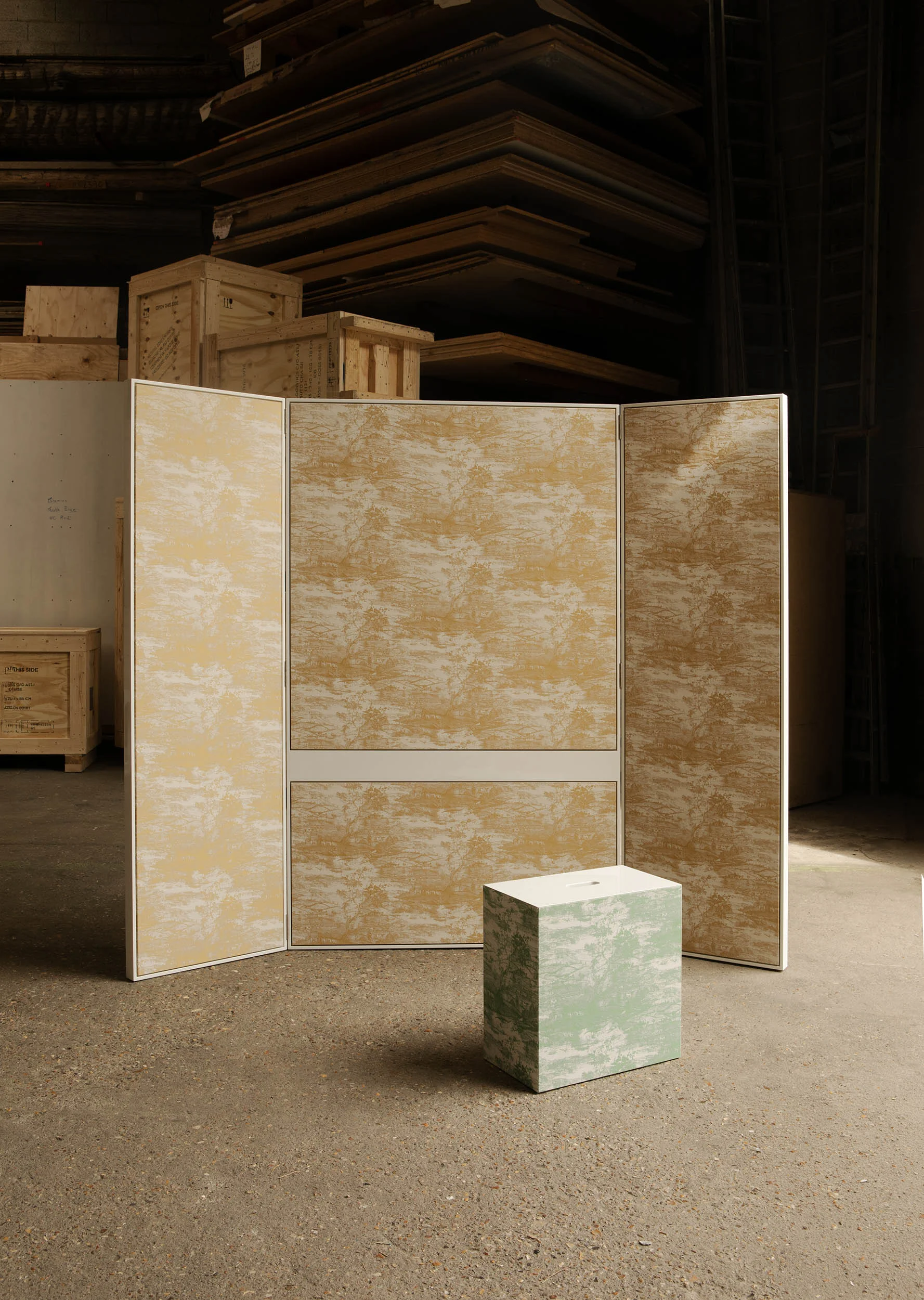
UPHOLSTERED IN DERBY TOILE OR EUCLIDE BY RUBELLI
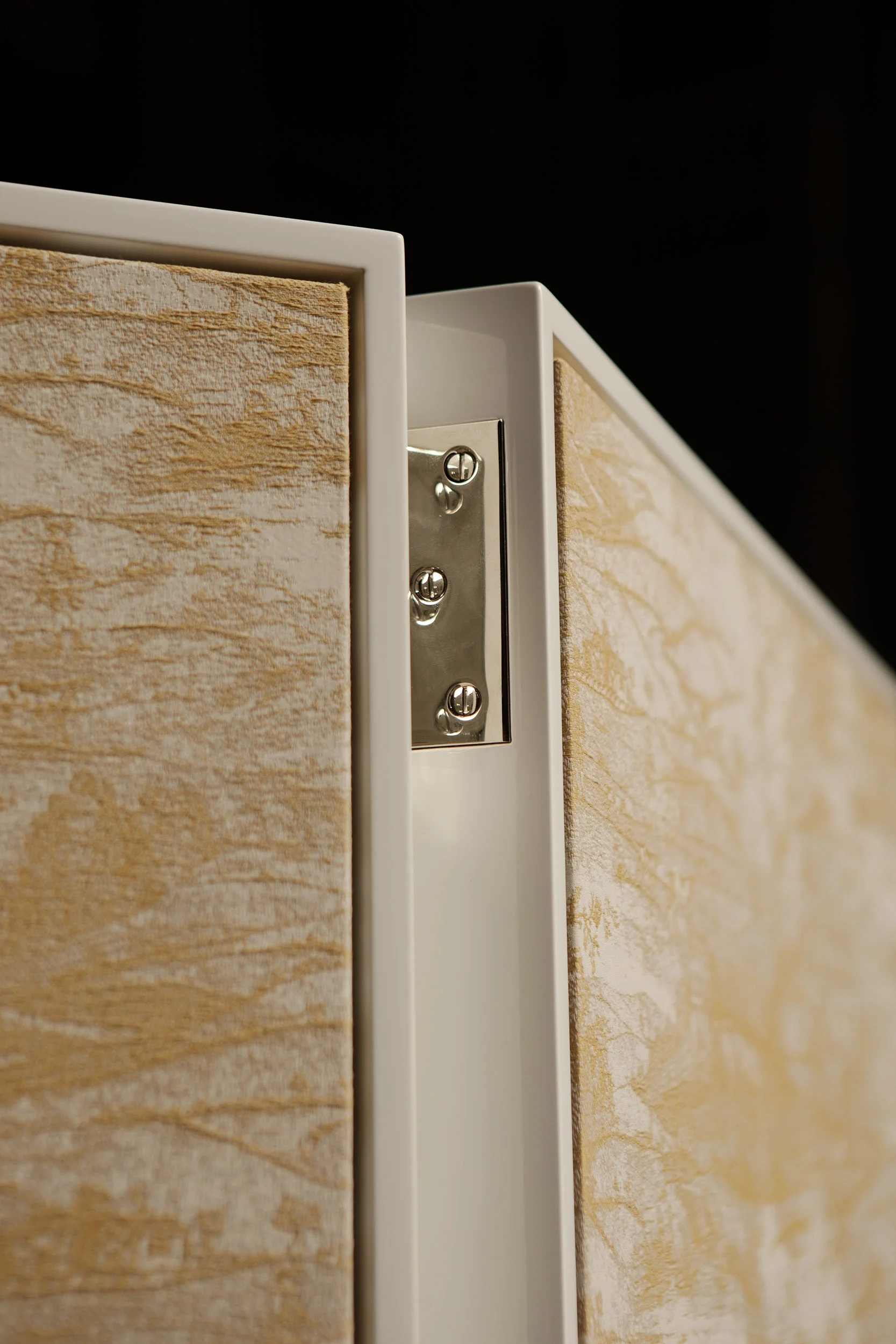
WHITE LACQUERED STRUCTURE
| IN | H | 70.8 | W | 87.4 | D | 1.9 | ||||
| CM | H | 180 | W | 222 | D | 5 |
HANDCRAFTED IN FRANCE BY ATELIERS SAINT-JACQUES FOUNDATION
EDITION NUMBER 1/12 AVAILABLE
LOCATION NEW YORK, USA
BIOGRAPHY
DOWNLOAD PRODUCT INFO
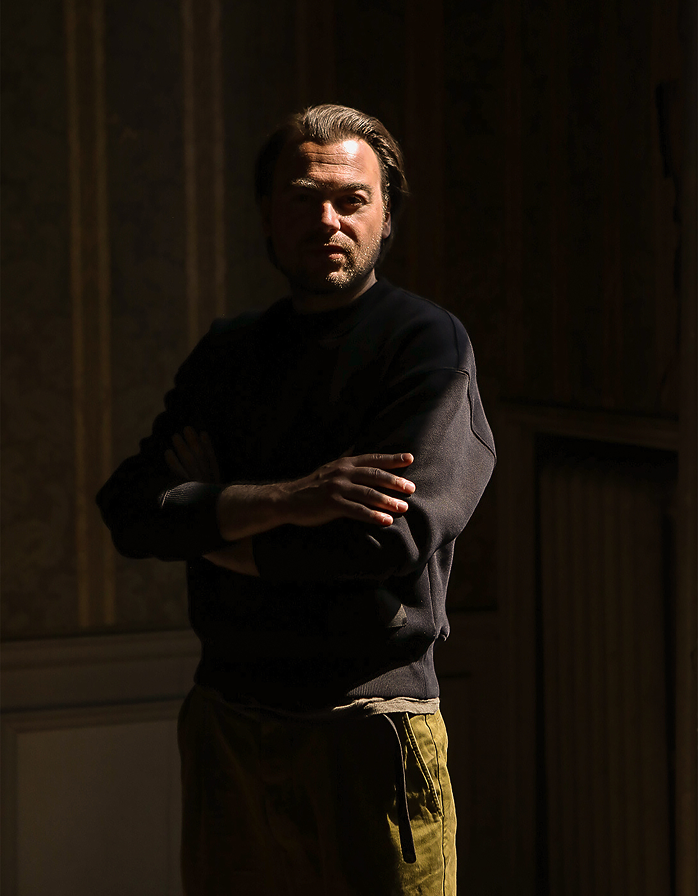
Curators Nacho Polo & Robert Onuska present TESSUTO, Francesco Balzano’s solo exhibition and collectible furniture collection, comprising works conceived during his one-month residency at the historic Villa Medici in Rome in 2025, first previewed in situ in the Loggia of the Villa on April 14, 2026, in collaboration with the French Academy in Rome, Villa Medici, and the Bettencourt-Schueller Foundation, and on view at STUDIOTWENTYSEVEN New York from May 14 to June 12; an act of architectural listening shaped by time, place, and the layered cultural histories embedded in the Villa itself
Tessuto is a meditation on heritage and continuity, a tribute to the intertwined histories of Italian and French architecture, design, and craftsmanship that define both the Villa Medici and Francesco Balzano’s own personal lineage. In each work, Balzano engages with a dialogue between control and abandon that defines the Villa and its surroundings. This tension animates the collections, where rigorous forms are humanized by textile surfaces rich with narrative and texture
Comprised of two collections that share a foundational vocabulary, Tessuto invites a conversation between imagination and experience, projection and encounter. It tells a story of transformation and perspective, of how lived reality complicates and deepens romantic expectation. The two collection reveal the space between two moments in an artist’s process, the imagined Villa Medici and the experienced Villa Medici. In witnessing this dialogue, we encounter an artistic epiphany, a snapshot of Balzano’s evolution and a contemporary reflection on the Renaissance tradition of patronage, discovery, and renewal
Tessuto I, designed prior to Balzano’s arrival in Rome, is a kind of architectural reverie, a fantasy of the storied Roman Villa as imagined from a distance. Characterized by weighty volumes and enveloped in luxurious Rubelli fabrics, the collection evokes a contemporary reinterpretation of Renaissance grandeur, gravitas, and sensuality. These works operate as imagined monuments, informed by history but filtered through desire, anticipation, and romantic expectation
Tessuto II was conceived in situ during Balzano’s residency at Villa Medici and reflects the discoveries that emerged through sustained engagement with the site itself. Lighter in volume, more pared in line, and marked by a sense of airiness, this second collection pays homage to the Loggia, a liminal architectural space between the Villa’s grand interiors, its formal gardens, and the wild forest beyond. Directly inspired by the architectural philosophy of Balthus, who oversaw the Villa’s mid-century restoration, the second series embraces restraint, proportion, and quiet tension
Each work in Tessuto is available in two fabric finishes, offering distinct readings of the same architectural form and underscoring the Villa Medici’s dual identity as a site of historical continuity and contemporary innovation. The first is Derby Toile, a historic jacquard by Rubelli inspired by French Toile de Jouy, in which pastoral imagery is rendered with rich texture and material depth. The second is Elucide, a contemporary jacquard by Rubelli characterized by geometric complexity and a sense of ordered chaos. Drawing from Moorish tile patterns that traveled across the Mediterranean into Europe, Elucide introduces a more radical visual language, reflecting the Villa’s irreverent mid-century re-imagining under Balthus
Both textiles are offered in the same chromatic palette, selected collaboratively during Balzano’s residency and drawn directly from the atmosphere of Villa Medici itself. Light green evokes the formal gardens and the forest beyond. Pale pink recalls Rome’s interior decorative traditions. Soft yellow reflects the Villa’s sunlit stone architecture. In both material and color, fabric becomes a carrier of place, an architectural surface imbued with memory and cultural exchange
The Tessuto collections synthesize visions of the Villa across time and space: verticality balanced by horizontality, monumentality tempered by intimacy, and geometry animated by atmosphere. Rather than imitating its sources, the collection distills them, transforming the experience of walking through the Loggia or lingering at the threshold of the forest into works that invite contemplation, play, and transformation

Photography by Adel Fecih